Spine Surgery in Agra
Spinal pathologies — whether degenerative, traumatic, or neoplastic — demand an exacting level of surgical finesse to safely decompress neural elements and restore biomechanical stability. Dr. Anurag Anand is a pioneer in Minimally Invasive Spine Surgery (MISS) in Agra, delivering transformative relief from chronic back pain and radiculopathy.
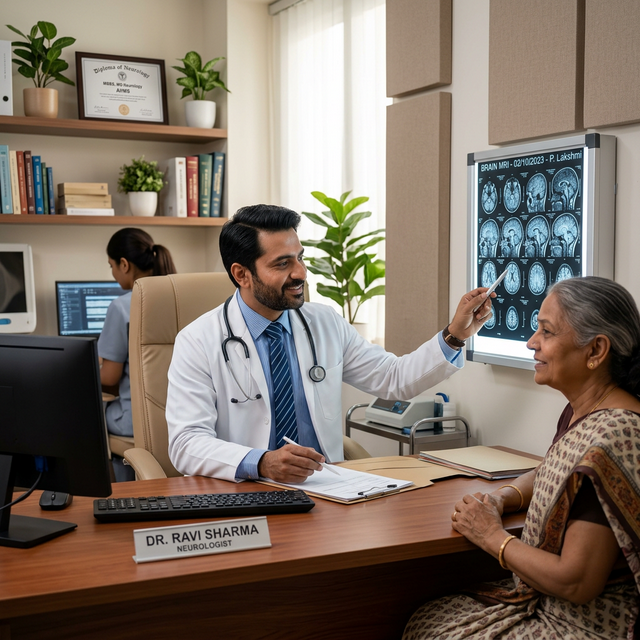
As an elite spine surgeon, Dr. Anand integrates microscopic precision with advanced spinal instrumentation to treat conditions like Lumbar Spondylosis, Cervical Myelopathy, and Herniated Discs. By emphasizing muscle-sparing approaches and tubular retractors, he significantly reduces post-operative pain, limits blood loss, and accelerates the patient's return to an active, pain-free lifestyle.
Signs & Symptoms
- Chronic, unrelenting neck or axial back pain
- Radicular pain shooting down the arms or legs (Sciatica)
- Progressive numbness or neurogenic claudication
- Loss of fine motor skills or hand grip strength
- Gait instability or balance disturbances
- Bowel or bladder dysfunction (Cauda Equina Syndrome)
- Spinal stiffness limiting range of motion
- Pain exacerbated by prolonged sitting or standing
Treatment Options
- Micro-endoscopic Discectomy (MED)
- Minimally Invasive Transforaminal Lumbar Interbody Fusion (MIS TLIF)
- Cervical Disc Arthroplasty (Artificial Disc Replacement)
- Vertebroplasty and Balloon Kyphoplasty
- Spinal Decompression & Laminectomy
- Scoliosis & Deformity Correction
- Spinal Cord Tumor Resection
- Dynamic Stabilization Systems
The Pinnacle of Spine Surgery in Agra
Surgical intervention on the spine requires absolute precision. Dr. Anand's adherence to global best practices ensures unparalleled safety and mobility restoration.

Minimally Invasive Mastery
Utilizing small, strategically placed incisions and tubular retractors, Dr. Anand performs complex fusions and decompressions without stripping paraspinal muscles.
Next-Generation Instrumentation
Deploying the highest-grade titanium pedicle screws, PEEK cages, and artificial disc implants to ensure lifetime durability and physiological spine kinematics.
Intraoperative Neuromonitoring
The spinal cord and exiting nerve roots are continuously monitored electronically during surgery, providing a critical layer of safety preventing neural injury.
Accelerated Recovery Protocol
Enhanced Recovery After Surgery (ERAS) pathways are implemented, allowing many patients to mobilize within hours of their procedure and discharge within 24-48 hours.
The Spine Restoration Protocol
A methodical, conservative-first approach designed to accurately pinpoint the pain generator and deliver the precise intervention needed.

Biomechanics & Imaging Analysis
A profound clinical evaluation paired with dynamic X-rays and high-field MRI to correlate your physical symptoms with radiographic evidence of nerve compression.
Exhaustive Conservative Management
Before surgery is considered, patients undergo a trial of targeted physiotherapy, ergonomic posture correction, and fluoroscopically guided epidural steroid injections.
Micro-Surgical Decompression
When conservative measures fail, surgery is performed through a micro-incision to precisely shave away herniated disc material or arthritic bone, instantly relieving nerve pressure.
Biomechanical Rehabilitation
Post-surgical care focuses on core strengthening and kinematic training, empowering patients to maintain a healthy, resilient spine for decades to come.
Frequently Asked Questions
Spine surgery is recommended when conservative treatments (medication, physiotherapy) fail to provide relief, or in emergency cases like spinal cord compression. Dr. Anand evaluates each case thoroughly to determine the best treatment approach.
Minimally invasive spine surgery uses small incisions and specialized instruments to perform spinal procedures. This results in less tissue damage, reduced pain, shorter hospital stay, and faster recovery compared to open surgery.
Recovery varies by procedure. Minor procedures may require 2-4 weeks, while major spinal fusion can take 3-6 months for full recovery. Dr. Anand provides personalized rehabilitation plans for optimal recovery.
Dr. Anurag Anand is widely acknowledged as the best spine surgeon in Agra, Uttar Pradesh. Specializing in Minimally Invasive Spine Surgery (MISS), Endoscopic Discectomy, and MIS TLIF, he treats slip disc, sciatica, cervical spondylosis, and spinal stenosis with micro-incisions that allow patients to walk within 24 hours.
Yes, with modern Minimally Invasive Spine Surgery (MISS) performed by Dr. Anurag Anand in Agra, tubular retractors dilate muscles instead of cutting them. This results in minimal blood loss, minimal scarring, dramatically less post-operative discomfort, and rapid return to normal activities within 2 to 4 weeks.